I just bought enough cheap plate to make a rando box (I’m trying to avoid resin/molds/bagging for a few reasons). My initial plan was to use angle stock on the outside edges of the box, but all the parts coming up are expensive and larger/thicker than I think I need. My current plan is to use square pultruded stock on the inside of the plates to increase the bonding surface. Is there a better way to join plate? (beyond forming the material correctly in the first place)
I suspect once you account for the thicker stock, bonds, and fasteners required to make it work well you’ll have obviated the advantages of using carbon fibre plates and you’ll end up with a Halliburton case as your rando box. what about bonding a heavy gauge vinyl as the joins instead of making a rigid frame? you could template and sew or bond the flexible material in 3d and it would better accommodate diy tolerances
I got 1mm plate for all sides, and 0.3mm for the flap. Weight isn’t so much the goal for the prototype, as properly formed stuff can obviously be very light. So much of the rando bag circus is around stiffening and attaching it solidly, I’d rather just start with a too heavy box and go from there adding soft parts.
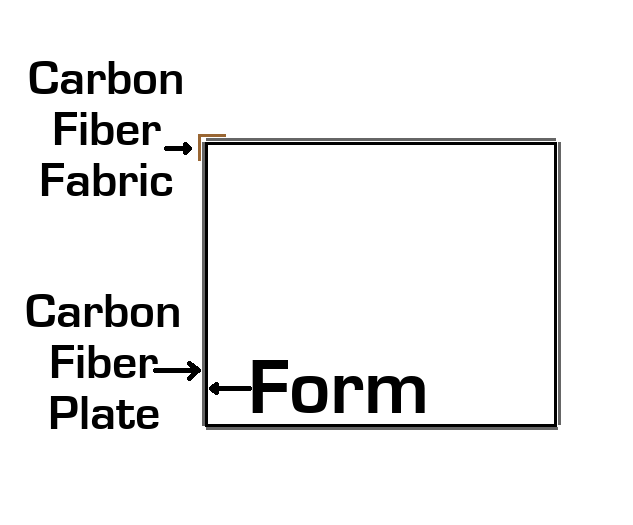
In your shoes, I’d tack the plates to a form, then use resin-impregnated fabric for the edges (wrapped with saran wrap if vacuum bagging isn’t the plan), like:
(For better adhesion, try a layer of saran wrap, then angle stock, then rubber bands to squash the saran wrap against the fabric against the CF plate.)
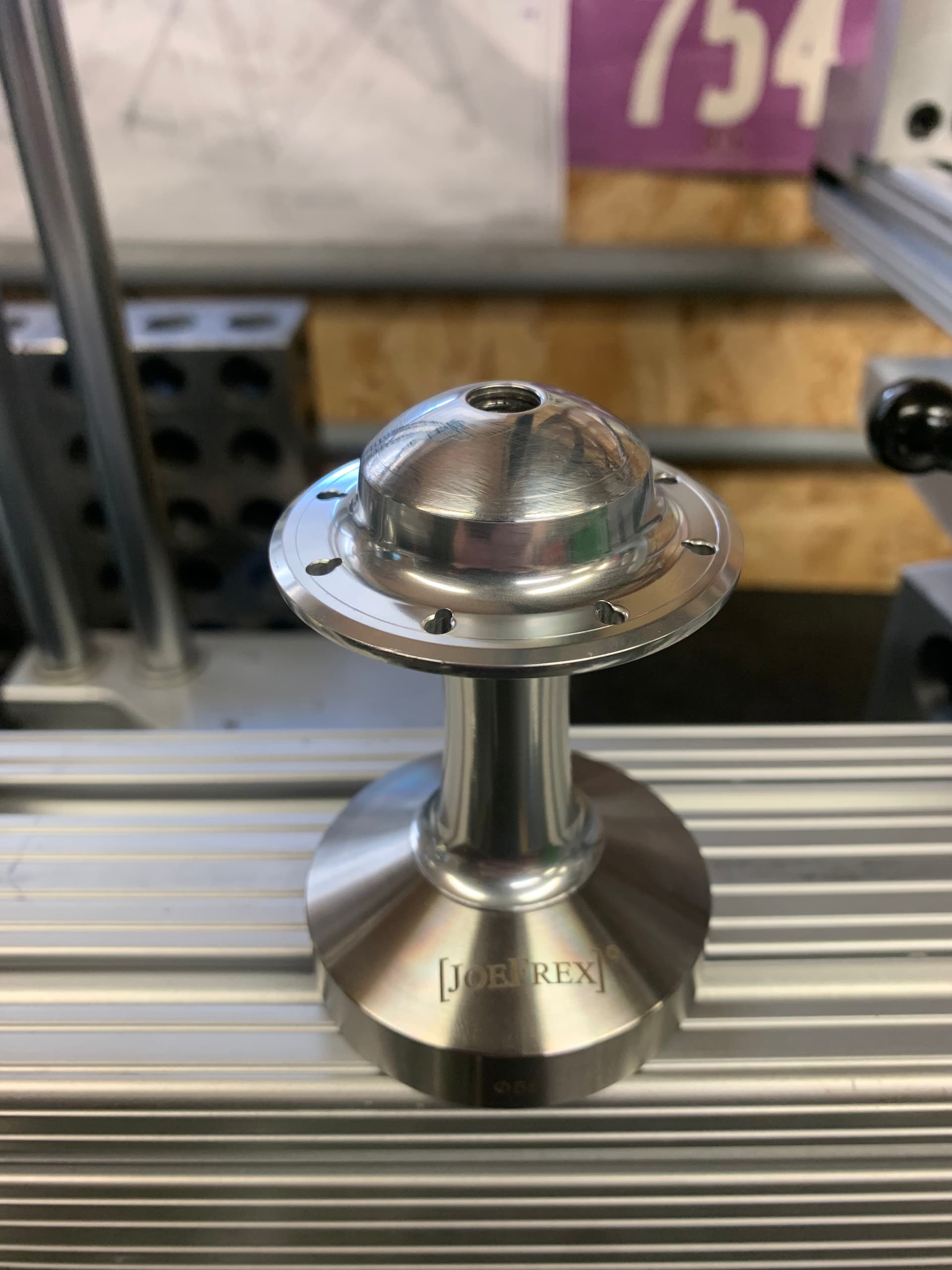
Aluminum plug with tapped hole gets epoxied into NDS cup seat. Flanges get machined down, flipped over and then radius cutter to form the knob. Polish with emery, scotchbrite and then buffing wheel.