yes, notorious Ruth Gader Binsburg
8 Likes
What? No!
1 Like
Assioma has you input the lever arm length.
Also from their site:
Power in cycling is the product of Torque per Cadence.
Assioma measures the force (torque) exerted on the pedals thanks to 8 strain gauges placed around the axle, as most of the accurate power meters in the market.
As for the velocity (cadence) it uses a special technology called IAV Power System, Instant Angular Velocity-based P ower C alculation, that leverages an integrated gyroscope capable of detecting the Instant Angular Velocity (IAV) during the entire pedal stroke*.*
That’s why it can guarantee a declared accuracy of ±1% with any pedal ing style: not only in regular or lab-controlled pedaling conditions.
ETA: this also explains why simply standing on your pedals bouncing up and down doesn’t register.
Sounds cooler than just saying “IMU”.
This seems so complicated when you can just put a sensor in the spider and not have to do a bunch of math
1 Like
Math is what computers are for. Each power meter has a tiny computer in it. The computer does math.
2 Likes
No seriously if you put your weight more medially the effective lever arm of the spindle would be shorter
It basically looks like this x8, no?
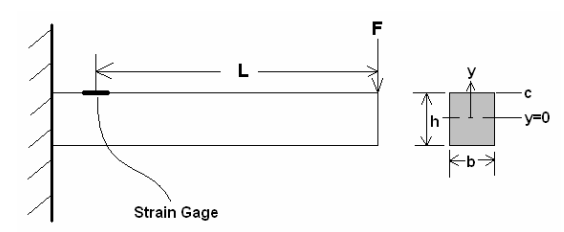
If l changes but f stays the same the reading will change.
Aren’t they all the clippy type with a fixed interface point? As long as the L to the interface point is a known distance the strain gauge will read torque effectively.
What if you use pedal spacers?
Depends on what the strain gauge is attached to and how that flexes. If you take apart a digital bathroom scale you might find something like this:
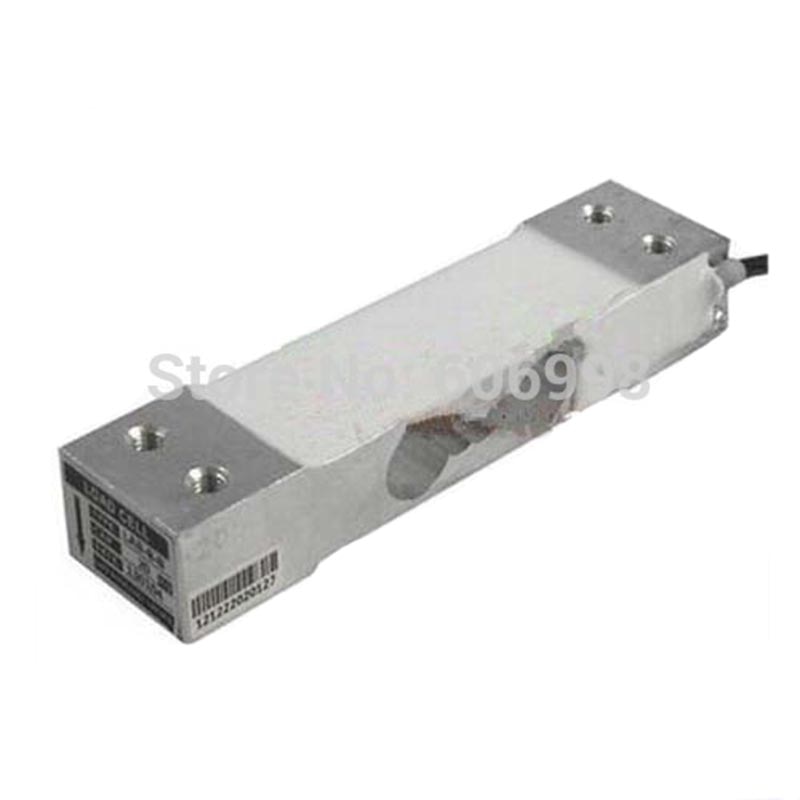
The two big holes through it mean that most of the flex happens at the thin points and it moves like a parallelogram linkage. Then you take the difference in strain between two thin points and that give you load but not torque.
2 Likes
Interesting
Fucking tarck delivers
2 Likes
Lol
Raises hand
1 Like
I’ve done it too, riding a kids bike that was in a dumpster behind a denny’s. Although it was slippery, it was incredibly loud, made sparks and left tracks on asphalt, so definitely worth it.
While retrieving the bike, I also stepped in some ice cream they had thrown out and it stained my brand new shoes, those things lasted 6 years and the stains were still there and just as visible when i finally retired them a few months ago
5 Likes
there is a youtube video of some enginerd explaining all the different power meters and how most of the ‘innovation’ is just people not stepping on quarq patents.
6 Likes
This is the bike industry in a nutshell. Sram and Shimano have the best nerds. Everyone else is just waiting for patents to expire or fucking around.
6 Likes
Well part of it is Shimano and SRAM have massive defensive patent operations going on. They easily file 10x the patents than what actually makes it to market. It’s another way smaller operations get screwed.
3 Likes
wheelbased is a good follow if one is interested in the patent/ IP mechanics of the bike biz
This is true of our power meters, but it takes quite a bit of movement outboard to affect the accuracy to outside of normal operating range. I don’t think you can easily influence it with weight distribution because your cleat is still going to spread out the weight, but we do tell people that using long legal extenders or similar things that significantly change the center of the pedal will affect their accuracy (and probably void the warranty on their crank because most mfgs don’t like these).
1 Like
Do yours measure torsion rather than bending then?