With cleats on the tops of your shoes, you can do opposite pressure pedal rotations, which can help balance out the musculature of the legs. The double-sided pedals should help measure just how much under-side riding is needed to counteract the effect of normal top-side riding.
7 Likes
Do they read negative when you’re on a fixie going downhill?
Has anyone put power pedals on a retrodirect?
1 Like
I know someone that used to have one and I might meet (edit: distanced) with him this week. I’ll ask if he still has it
You mean vertical cranks, right? Took me a second to work out. I would guess bouncing on vertical cranks does give a power reading.
1 Like
NotSureFry.gif
SRM track cranks actually have twice as many strain gauges to subtract out the power coming from the drivetrain. I would suspect they’re doing a differential/error calculation between the two sides of the Speedplay.
Also, I’m making popcorn for the internet engineers’ reviews about accuracy.
1 Like
All the above is a joke. There aren’t “two sides”. The strain gauges will be 360d around the pedal spindle.
put some lateral strain gauges in to finally quantify planing
8 Likes
I presume, based on the photos, that the Speedplay will be similar to the Favero pedals in terms of construction. It makes the most sense and it explains the hex-key only spindles. The Assioma looks like this:
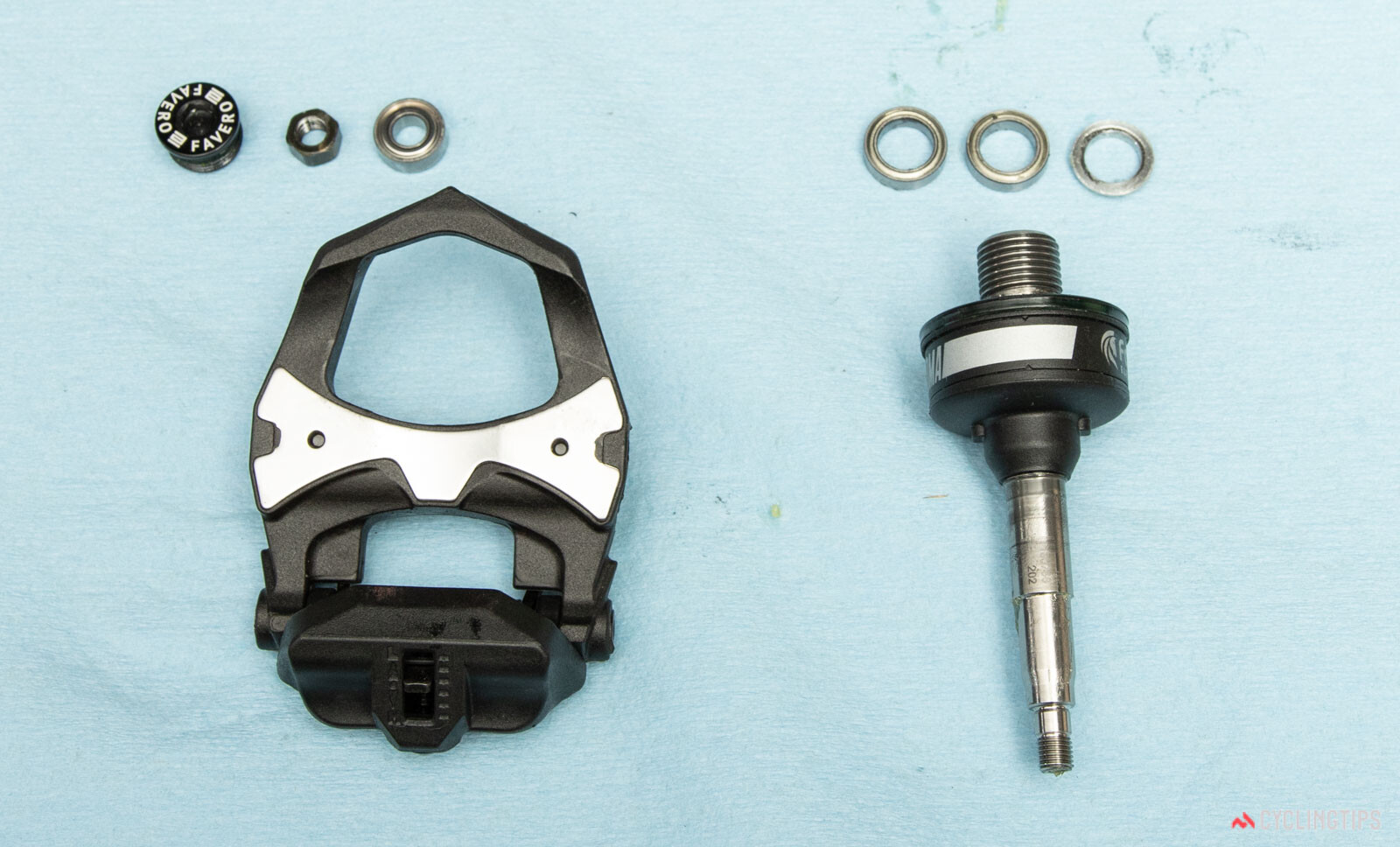
The strain gauges are in the pod on the spindle and measure force relative to the spindle regardless of the orientation of the pedal. Further, there’s no “up” or “down” strain gauges. The pedal is installed and will seat on the crank at whatever orientation it lands in. One presumes the pedal itself figures out which way is down based on gravity.
From there, the force vectors in any direction are measured as well as momentum from this, the pedals can derive power and cadence using complicated math which is their special sauce. The “bouncing up and down” phenomena has to be filtered out, again, that’s the special sauce.
I’m assuming the Speedplay works the same. I could be entirely wrong, but… If they come up with a power meter that’s as reliable, easy to use, and priced competitively to the Assioma, they will have a successful product on their hands.
If none of that makes any sense at all, then I offer my direct observation that when I miss clipping into my pedals and end up pedaling against the bottom of the pedal, they have no problems measuring my power output.
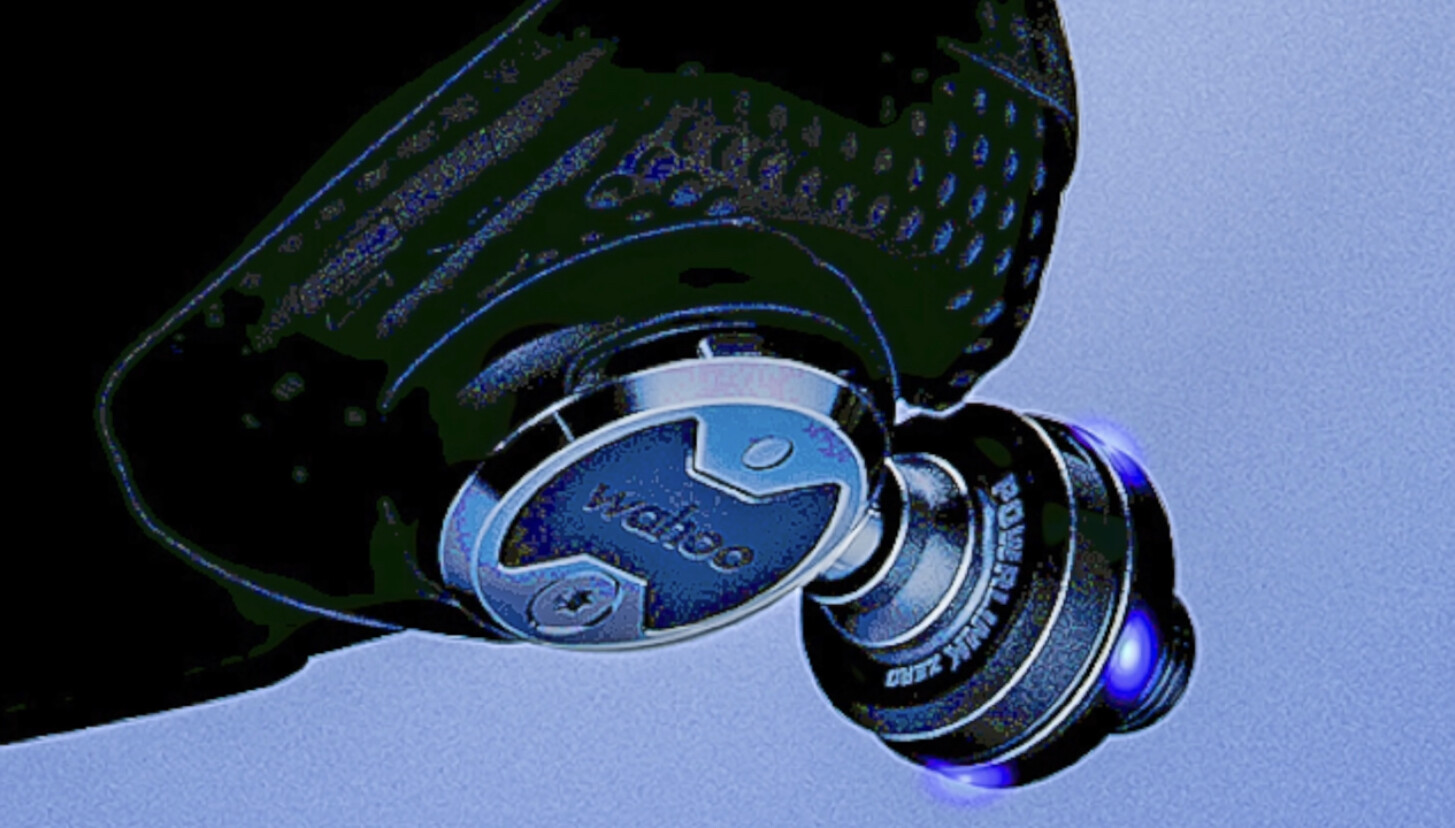
Hope to hell they have rgb
1 Like
But will they work with four sided pedals? Won’t two sides be orthogonal?
4 Likes

1 Like

When they ask how metal you are…
“Anybody who has had the misfortune of riding any distance on a tire-less rim knows that metal and pavement aren’t a particularly grippy combination.“
Who has done this
Short review: nice concept. Let’s see what happens in rev 2-3-4-5-6-7
3 Likes
Didn’t she die last year?
1 Like
What is it reading, quarks?
1 Like
No the up quark and down quark are separate models
8 Likes
I mean, tubeless under 5psi… but not for like ANY distance, just short ones 
Also, whotf calls their material “polyurethanium”?
1 Like
Serious question: for the pedal power meters won’t your weight distribution on the pedal change the length of the lever arm for the sensor and affect the readings?