
I dunno about road conditions. When I was experimenting with tubulars a few years back I clattered down a whole bunch of crappy roads on 23mm tires and didn’t find them to be all that uncomfortable (except mentally; the feel of the tires repeatedly bottoming out on the rim when I was riding down a rail-trail was increasingly unnerving.)
More cringe than anything else TBH. I know I’ve written passionate nonsense from a position of ignorance but I hope I was never so far into the weeds like that.
why?
wander off into the bushes to enjoy a bottle of Beaujolais
going on a date with someone who only likes Nepalese restaurants that are painted orange
someone saying they can’t get a date because they wear red ties
flexing like Arnold Schwarzenegger circa 1967
like that time at that wedding with the vodka slide
handle like a Ford Fiesta with blown struts
when McKinley was annexing Hawaii
i hate every single one of these stupid references peppered throughout the article
needs an analog copyeditor
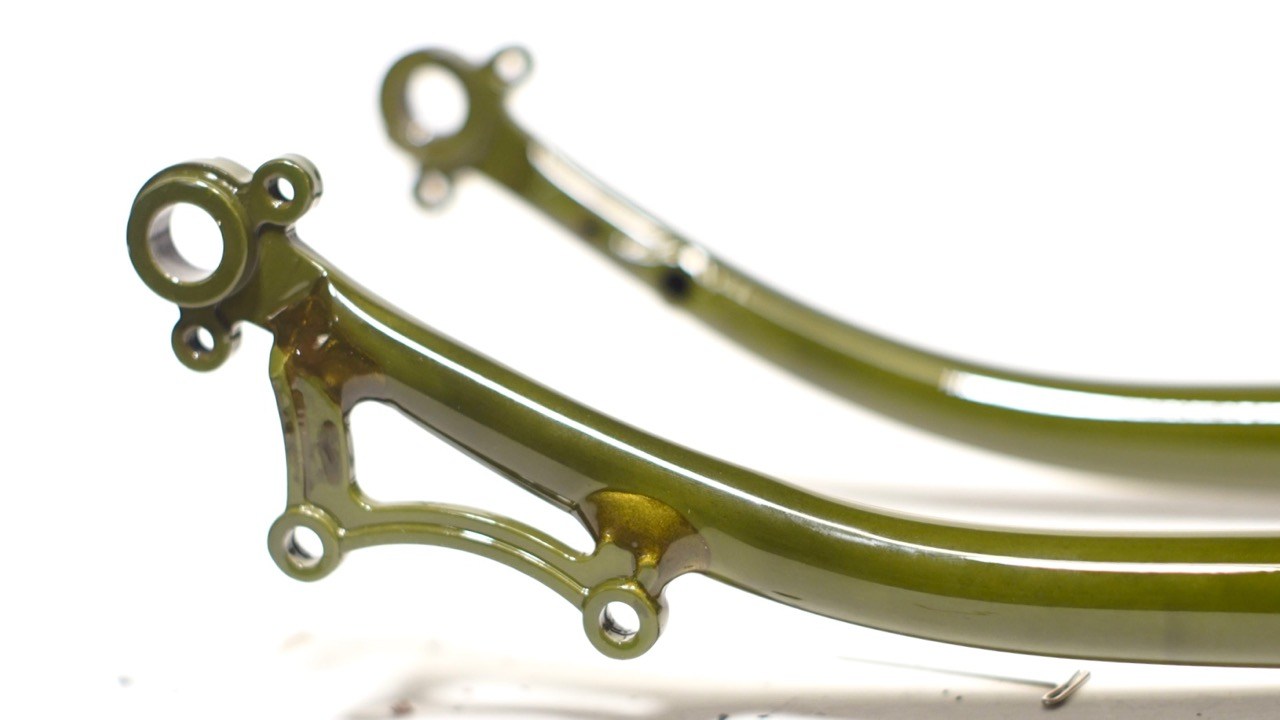
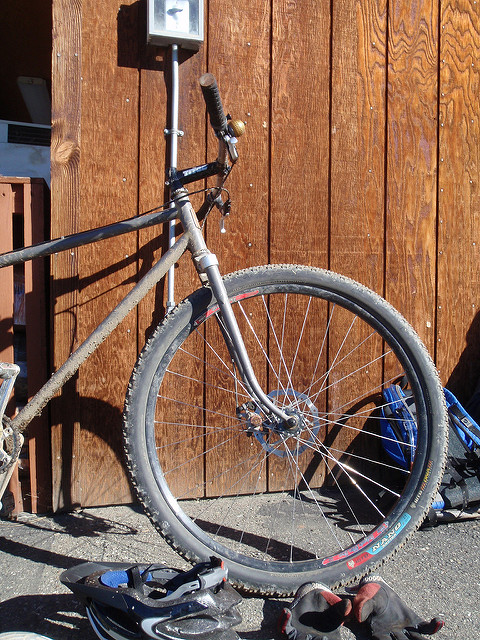
That’s not much of a lever arm for a disc brake, is it (and on such a delicate fork blade, too)?
And, jeez, that whole fucking article, and that whole fucking bike shoppe. It’s hard to sum it up in a picture.
That fork blade is anything but delicate, and the shorter the brace, the lower the stress on the blade from riding loads, which are the predominate factor in fatigue failures. It also has a nice fat fillet to minimize the stress riser.
That fork also is actually tested to meet standards.
Doesn’t this mean they’re using special drillium speed bolts now?
This fork has a short mount on heavy legs, and has 10+ years of racing, one 12k’ mountain pass loaded, and no shortage of mileage.
The article is cringeworthy, if not nauseating.
[citation needed]
basic mechanics, look up ‘lever arm’.
No, really, I’d like to see a citation. Because, aside from the nfe v1 fork failures, the vast majority of the jackknife failures I’ve seen pictures of or have read about on the net of a billion lies are at the top of those short levers.
It’s written like a particularly clever 16 year old trying to brown nose a teacher they respect.
I’ll draw you in a picture in a bit. But to be clear, we’re talking about two different failure modes - failures from disc brake torque (generally speaking, legs too small), and NFE failures (fatigue failure at end of mount).
Always wondered about this: https://www.cyclingabout.com/weight-difference-between-derailleur-pinion-rohloff-bikes/
If the length of the lever arm was the dominant factor I’d expect to read about more failures where a fork jackknifes at a canti post.
Has anyone ever built a fork with a floating caliper and a reaction arm going up to the fork crown? I found someone’s sketch in this thread (and dave kirk chimes in later) https://www.bikeforums.net/framebuilders/878834-building-disc-capable-fork-2.html
Obviously this is all proof that truss forks are superior