Dumb question: I just got a Milk Crate rack. What’s the intended order of washers for the mid-fork mount? Where does the wavy washer go? The hardware baggie has 2 bolts, 2 flat washers, 2 wavy washers, 2 spacers (not needed). Should the order from inside to outside be: fork braze-on, flat washer, rack strut, wavy washer, bolt?
That’s how id put it together
Edit: with loctite
wavy washers in the bin and use threadlocker?
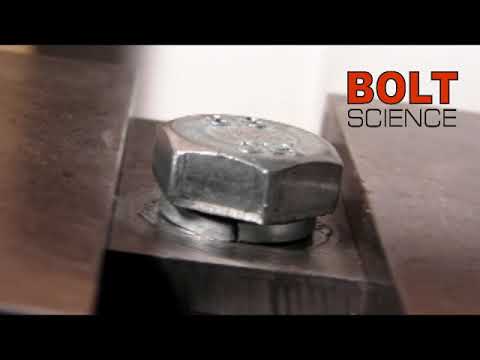
spring/serrated washers aren’t always beneficial and can actually be detrimental
9 Likes
bless you you nerd. I live for this kinda stuff.
2 Likes
nasa said split lock washers were detrimental in like the early 90s or something. they have a whole fastener design manual
1 Like
you come to me. With this cool af fact. and you DONT give link?
Thats ok. I googled it.
༼ つ ◕_◕ ༽つ here is the link.
yw
4 Likes
i’m riding zwift right now, buddy
i keep meaning to download it tho. great reading
2 Likes
I’m eating doublestuffed oreos & milk and reading about how to lock nuts the NASA way.
We both made our choices.
7 Likes
i did have a bespoke double stuf oreo sans milk before this. choices were indeed made.
since you are an appreciator of oreos, how do you feel about bespoke double stuf? no oreo is ready to eat until you bespoke two into one, regardless of how “stuf” it was advertised to be 
2 Likes
normal stuffed so I can eat more at once like the glutton i am.
if I wanna be fancy i like the fudge covered ones at nearly 200cal e/a they’ve fueled me on some silly rides.
1 Like
You’d only need 15 to do a century!
I don’t have it on hand but the fudge oreos did very well on my calories per gram spreadsheet and with the help of some jerky things my macros were right.
I think I brought like 6 of the oreos for a 10hr gravel thing I did in 2021.
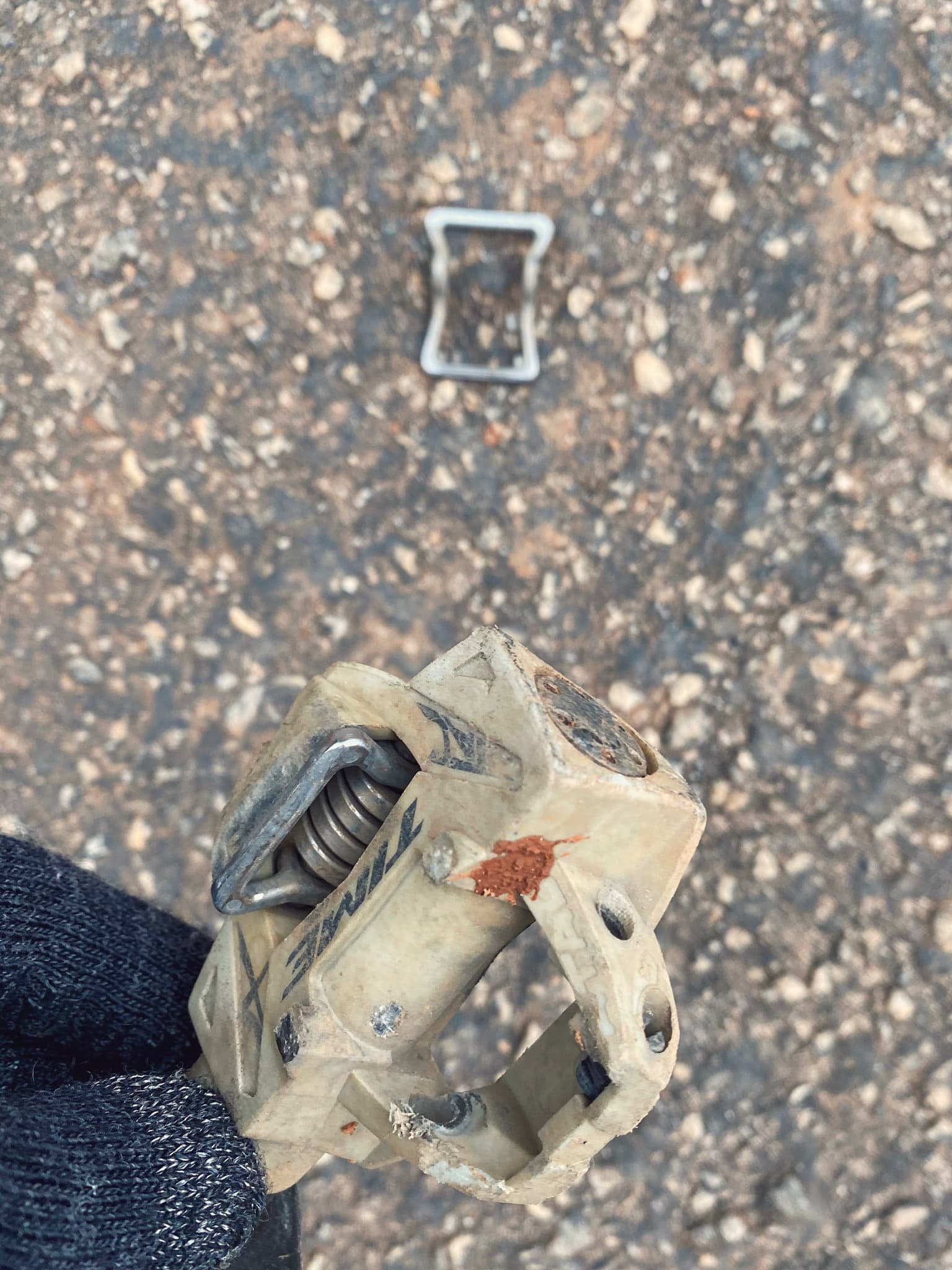
[EDIT:] can’t find the pic or spreadsheet but here’s an image of my pedal that broke on mile 7/135. I went on to secure the single speed corse record. Fun day. All credit to the fudge.
2 Likes
I knew the helical spring washers were no good. This one is like a normal round washer squashed into a Pringle shape. Regardless, thread locker sounds like a good plan.
1 Like
Lockwashers
The typical helical spring washer shown in figure 14 is made
of slightly trapezoidal wire formed into a helix of one coil so
that the free height is approximately twice the thickness of the
washer cross section. They are usually made of hardened
carbon steel, but they are also available in aluminum, silicon,
brome, phosphor-bronze, stainless steel, and K-Monel.
The lockwasher serves as a spring while the bolt is being
tightened. However, the washer is normally flat by the time
the bolt is fully torqued. At this time it is equivalent to a solid
flat washer, and its locking ability is nonexistent. In summary,
a Iockwasher of this type is useless for locking.

this is some quality NASA shade
14 Likes
there was a NASA fastener doc I read once that I’ve never been able to find again that basically said “if your assembly relies on setscrews you should redesign your assembly”
12 Likes
i am 100% sure that their prevalence is due to it being more expensive to explain why a non-locking washer would be superior to a spring ding and nobody deciding to use nasa fastener manuals in a court of law
edit: and yeah of course by the time you’re trying to get a spring ding pushing against a bolt to keep the bolt from running away you have quite clearly already lost whatever battle you were in
2 Likes
Judging by the lack of locking washers in anything automotive I’d guess they came to the same realization, that proper torque and thread prep like loctite are vastly better in every way.
also from that NASA doc:
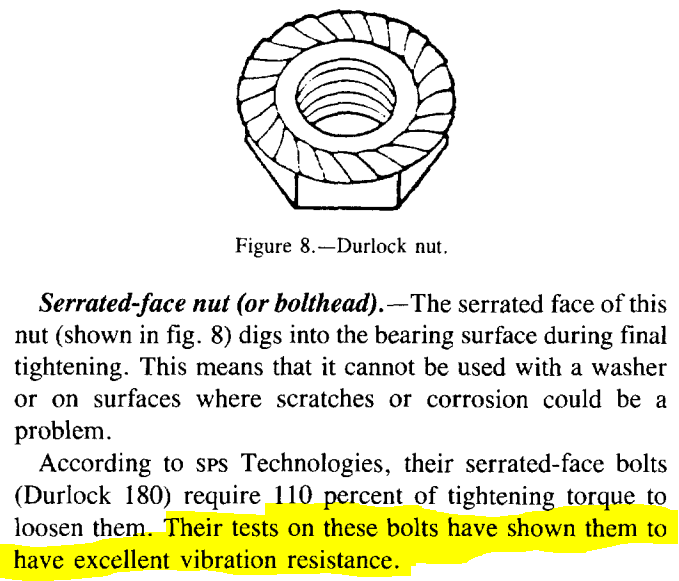
can confirm this, especially if you’re fastening down onto something slightly deformable. Way better than mid-strength loctite. Just about to release a custom screw with a broad head and similar serrations on the underside for holding on a drone’s propellers.
9 Likes
Hottest drop of 2023! 

17 Likes
Tarcklebee for best thread deviation in a non-pants category.
16 Likes